35 Years of the SoloRider
Watch the complete documentary above on the history of SoloRider to hear how our carts evolved from an idea into the most adaptable golf cart in the world.
Capturing the Legacy of the
“When I set out to capture the story of SoloRider, I wanted to not only showcase the cart’s journey, but also share the impact that the technology has had on the lives of individuals, and do so through the voice and perspective of the man that made it all possible,” says Carson Malone, Creative Director of SoloRider and Producer of the new SoloRider Documentary.
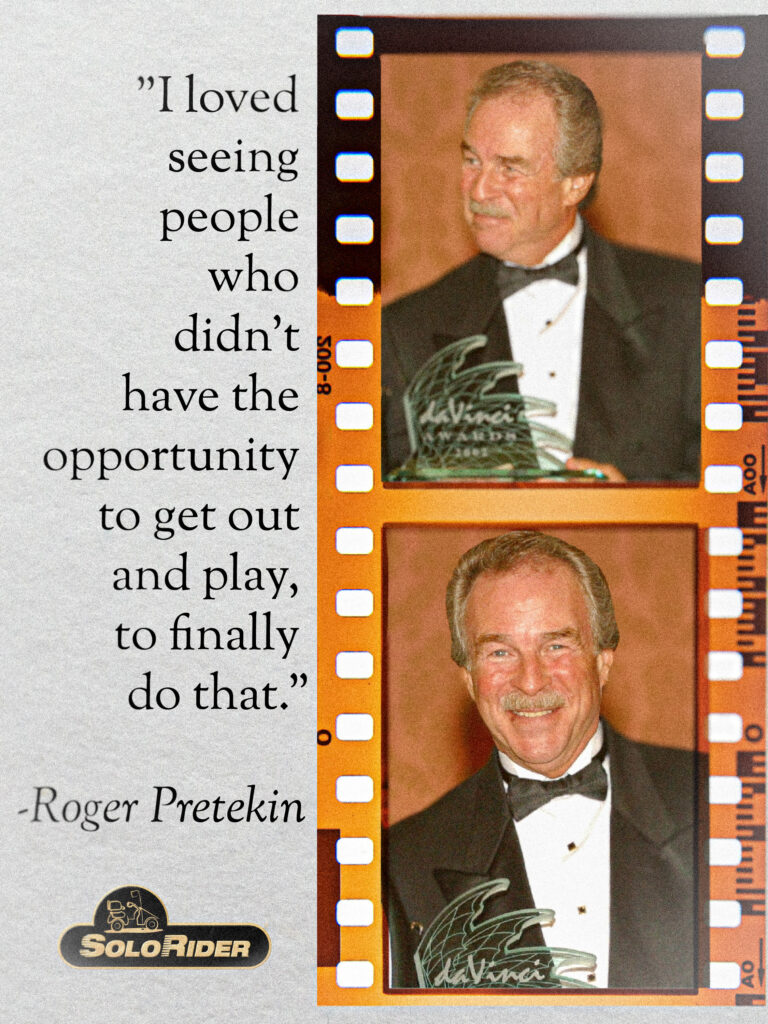
Roger Pretekin, founder of SoloRider, sat down with us to share the full story: from the earliest prototypes to the battles for course access, the landmark Casey Martin Supreme Court case that forever changed adaptive golf’s legal standing, and what it means to watch lives transform on a fairway.
Meet Roger Pretekin
In 1991, Roger Pretekin, founder of SoloRider, set out on a mission to make the game of golf accessible for everyone, no matter their level of mobility.
Before founding SoloRider, Roger spent 15 years in the golf industry, and when the Americans with Disabilities Act was passed in 1990, he knew that virtually none of the golf courses were compliant with ADA requirements. Over the next 10 years, Roger worked tirelessly to develop a mobility device that holistically met the needs of mobility-impaired and disabled individuals, while also addressing the compliance requirements established by the ADA.
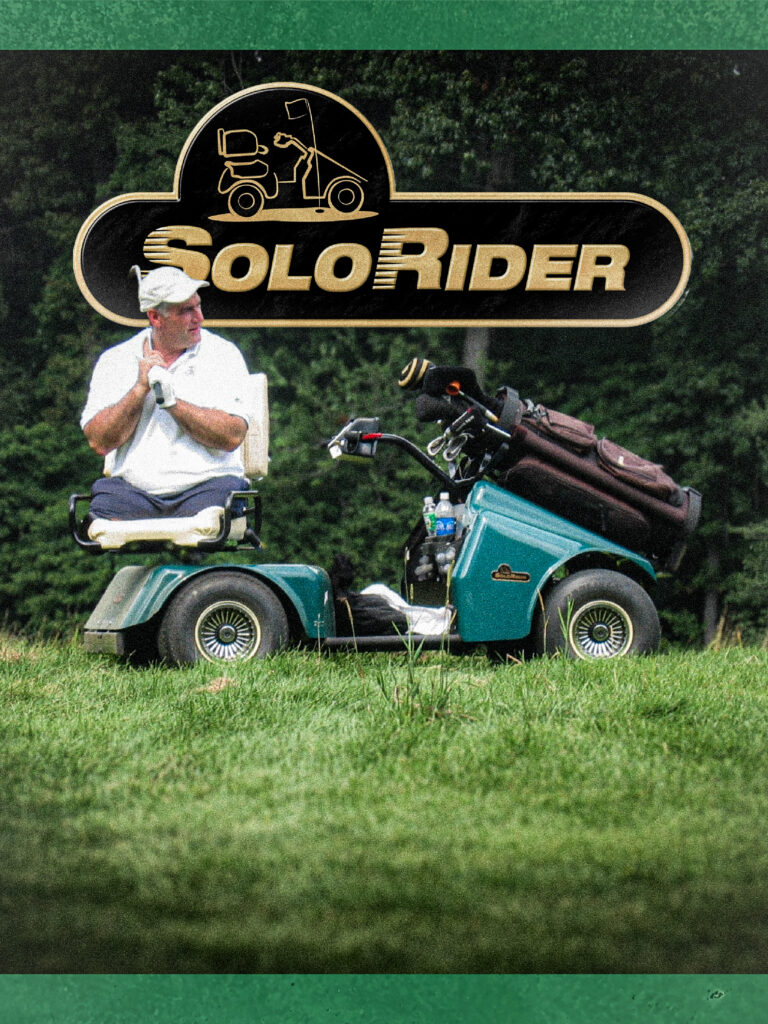
The answer was the SoloRider, the world’s most adaptable golf cart.
The Total Package: Engineering Complete Accessibility for Courses and Players
Safe For Greens
The SoloRider features a chassis engineered to be green-friendly and course-safe. The cart’s turf-friendly tires put only 8 lbs per square inch of pressure on turf, half of what an average person standing applies in pressure.
“This car can be driven anywhere on the golf course, including tees and greens, without causing any damage to the ground.” -Roger Pretekin
Designed to look like a Golf Cart because it is one
Designed to look and feel like any golf cart on the course, the SoloRider seamlessly blends in with existing cart fleets while maintaining the standard pace of play.
The SoloRider’s sporty golf cart design makes it a versatile option for courses and its players. The cart can be used by anyone, including elderly course members who need a little extra help getting around the course. Additionally, the carts can be used for third players, or odd-numbered groups, allowing the courses more flexibility with scheduling tee times.
Engineered for the Player
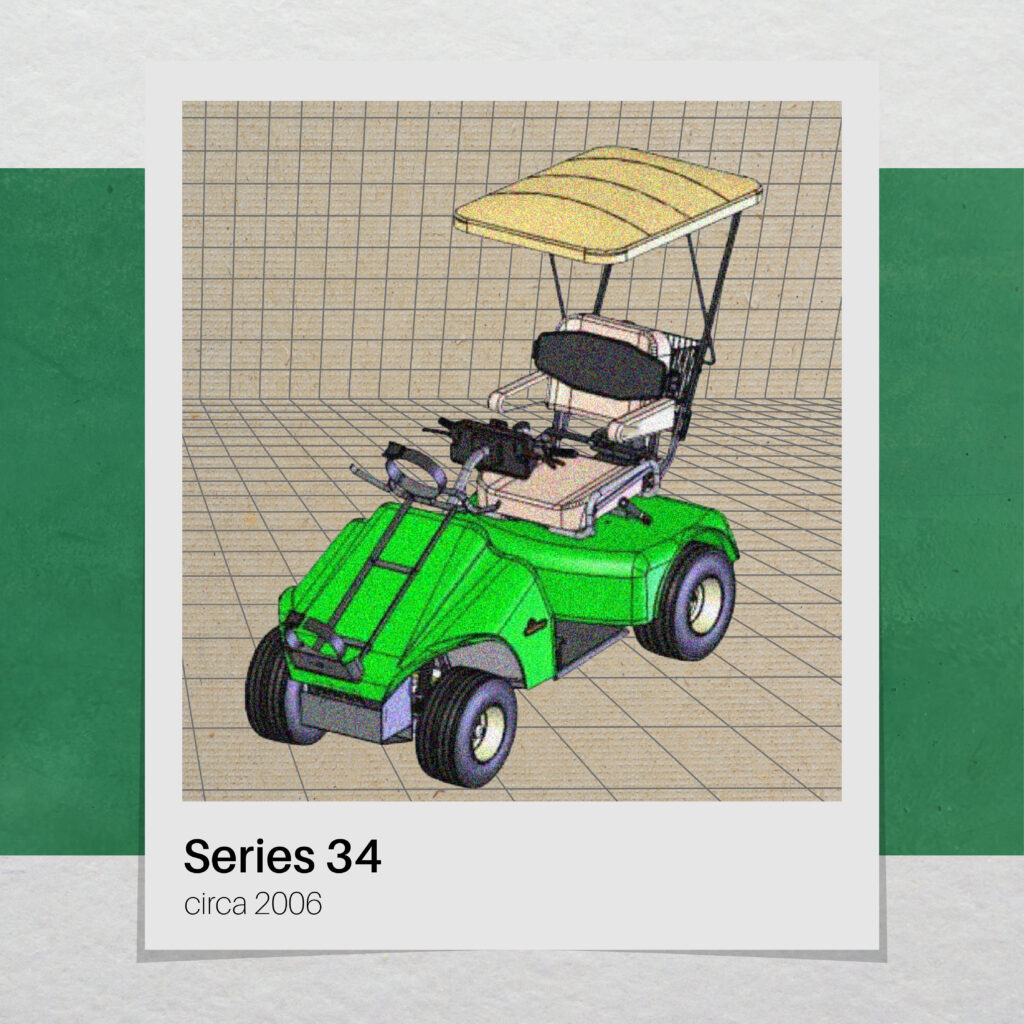
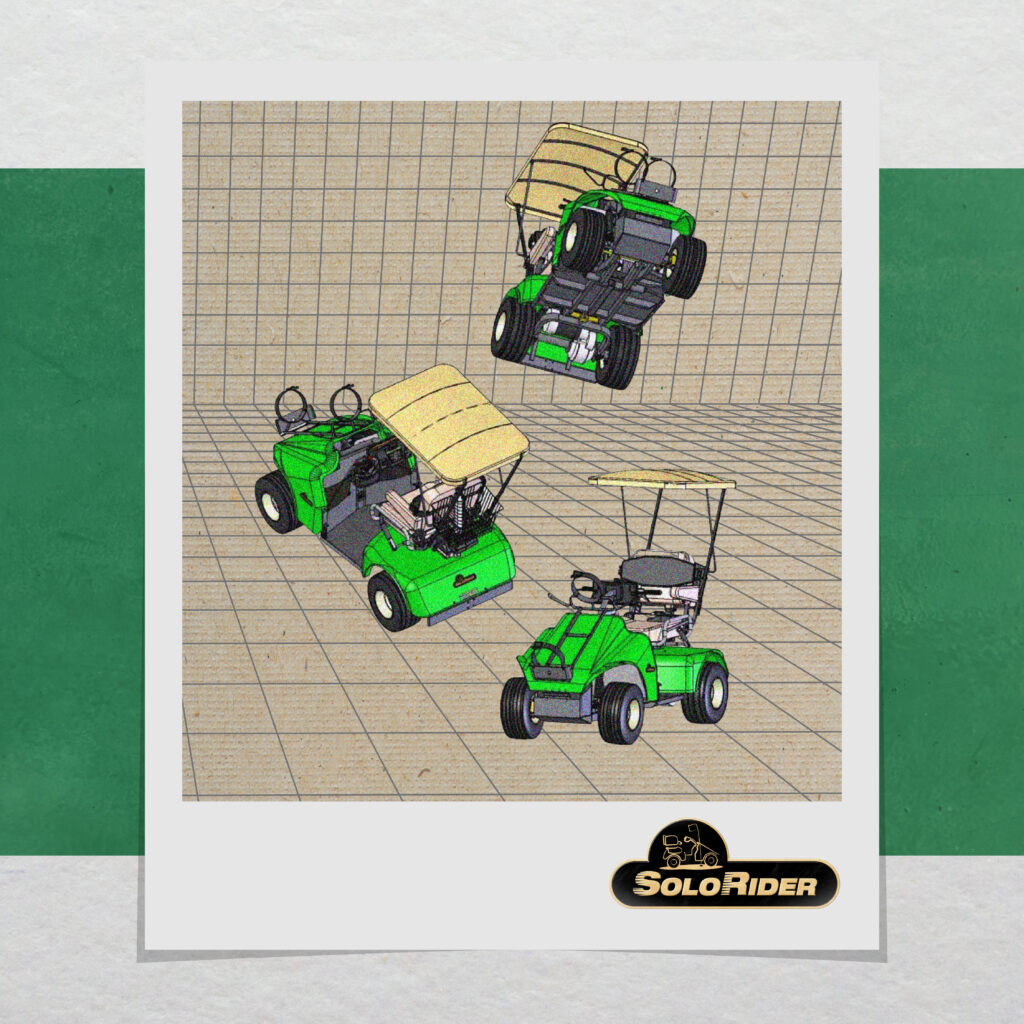
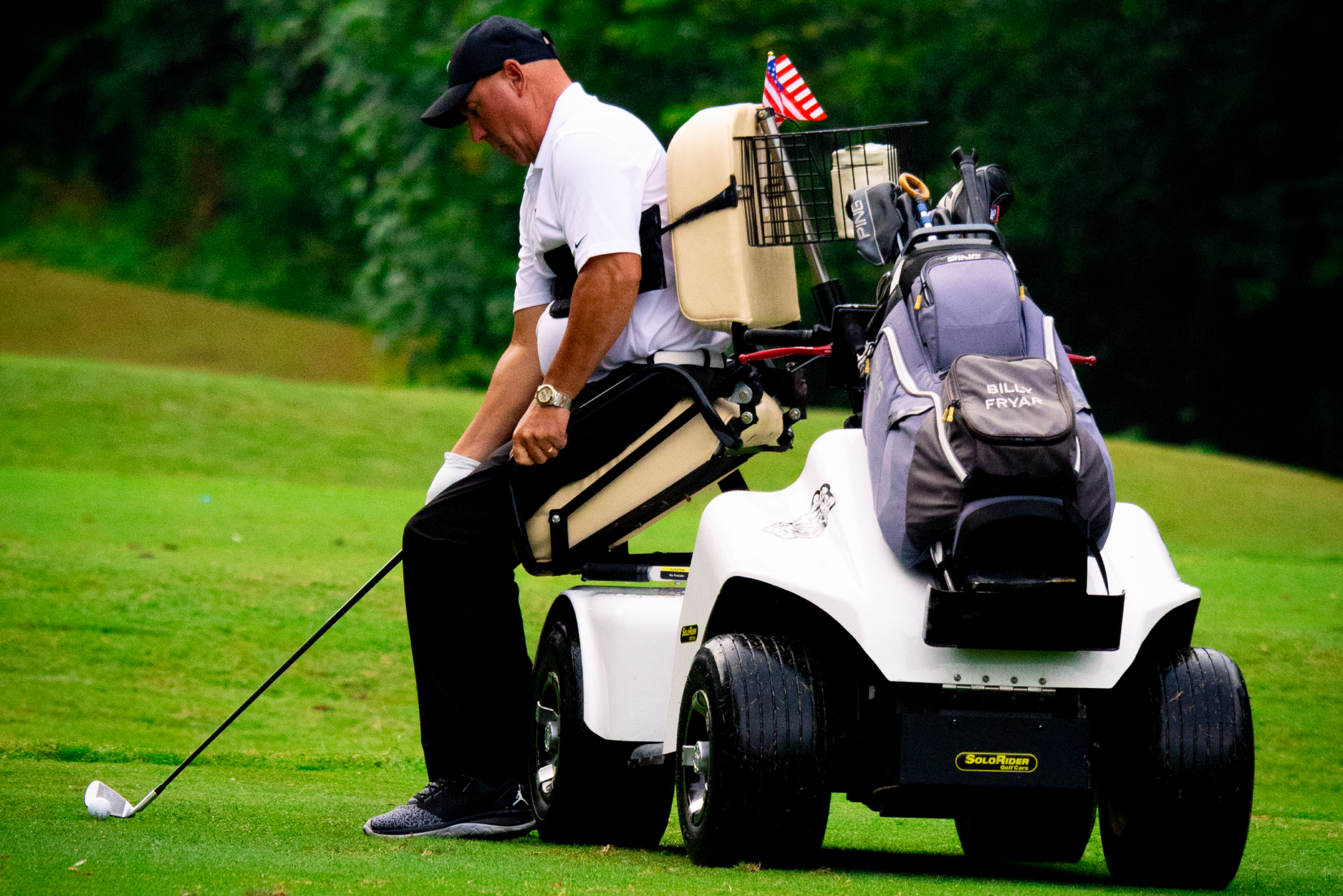
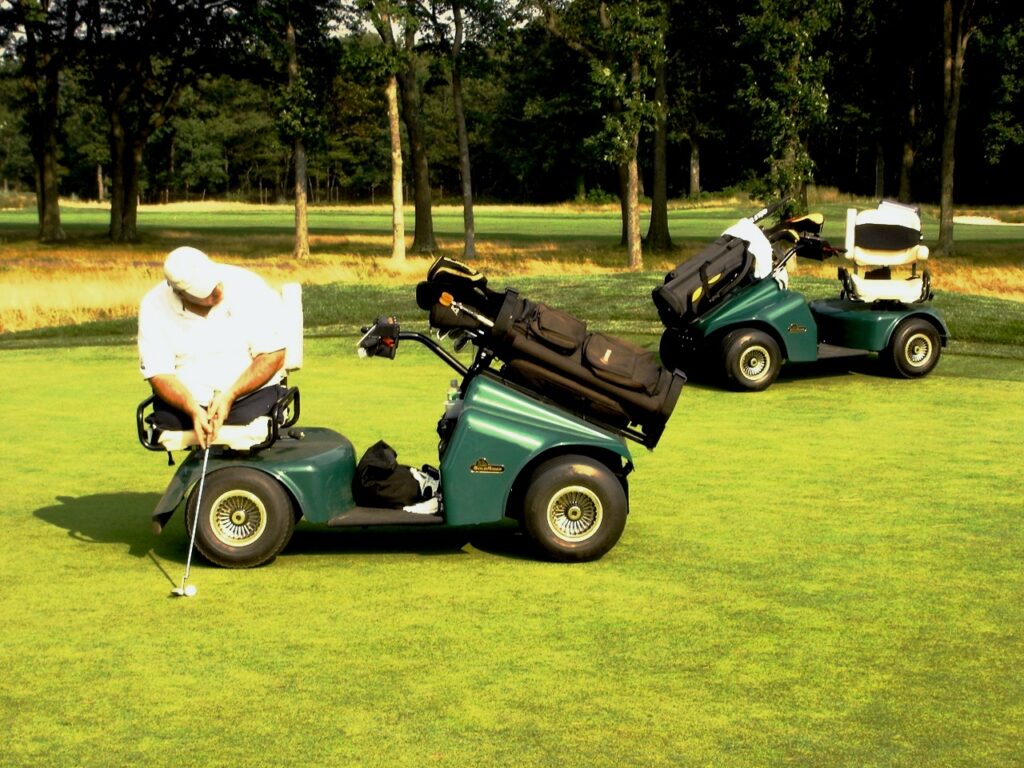
The SoloRider was engineered so that all of its controls are fully accessible. With a 360° swivel seat that allows a golfer to stand and play, and precision hand controls, SoloRider is the most adaptable golf device, capable of serving the various needs of disabled or mobility impaired individuals.
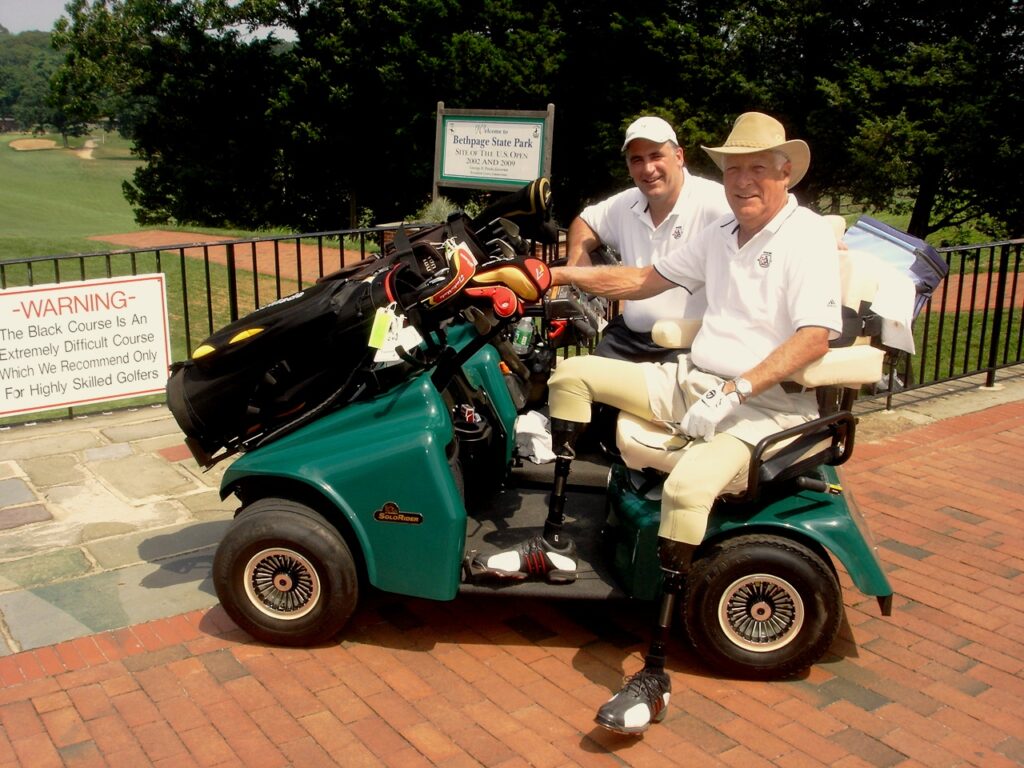
Testing SoloRider on the Legendary Bethpage Black Golf Course
The cart has also been tested on some of the most prestigious golf courses in the world, including the Bethpage Black Golf Course, where it proved not only to be safe for the course, but capable of delivering an exceptional round for its player on one of the most challenging courses.
An Award-Winning Golf Cart
SoloRider has a number of historical and notable achievements. The cart is ANSI certified, and winner of the 2002 Da Vinci Award for most innovative mobility product of the year.
“Safety and meeting the ANSI standards was a critical part of the development of the car.”
– Roger Pretekin
Casey Martin: Rewriting the rules for Accessibility
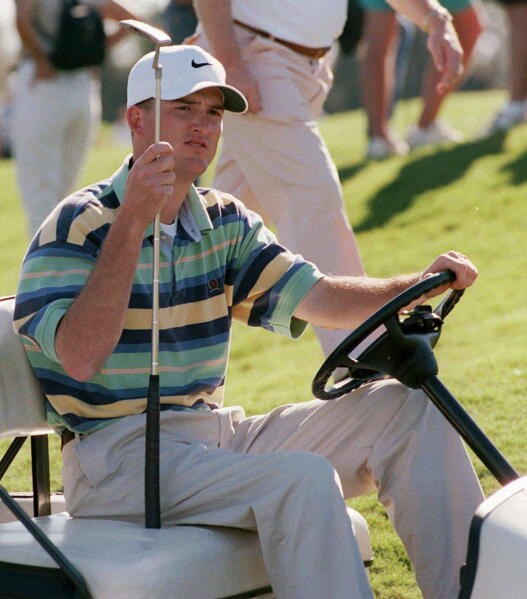
American Golf Professional, Casey Martin, struggled with getting around the golf course due to a circulatory issue despite being a fabulous golfer. Getting from one hole to another was difficult and potentially dangerous for him.
He requested that the PGA allow him to use a golf cart between shots. They denied his request, which led him to sue the PGA tour. The case traveled all the way to the Supreme Court who ruled in his favor. The case was instrumental in increasing awareness about accessibility on Golf Courses. After the case, Casey was able to use a cart on the course, and went on to win a PGA Tour event.